
Guide to Forming a Professional Corporation for Dentists in Los Angeles
A Professional Corporation (PC) is the entity structure many dentists use when operating a dental practice in California. While forming…
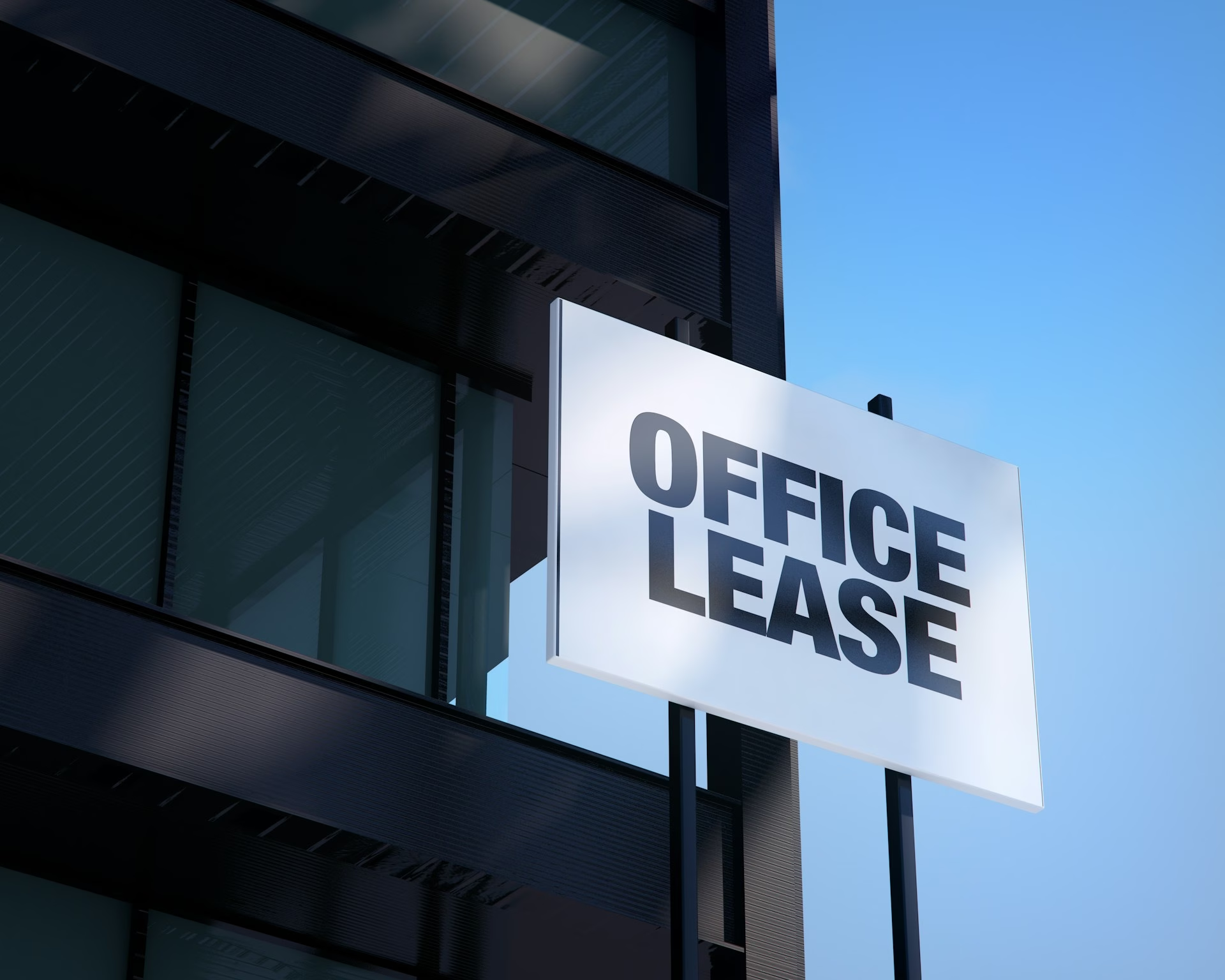
What Happens If Your Dental Office Lease Expires Mid-Transaction?
A dental practice sale can involve months of due diligence, financing, contract negotiations, and landlord approvals. If the office lease…
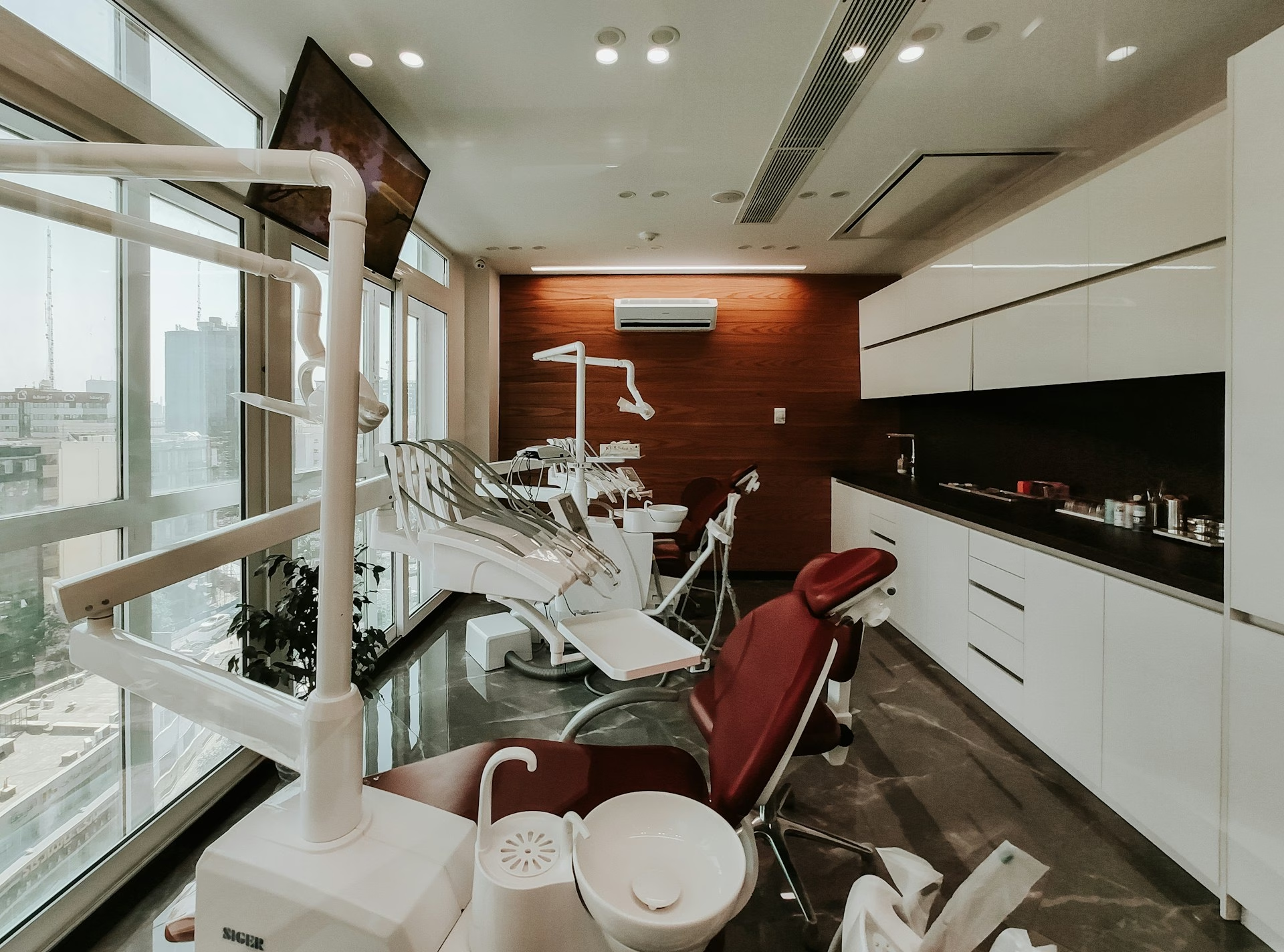
Legal Considerations When Adding a Specialty Partner to Your Dental Practice
Adding a specialty partner can be an exciting step for a growing dental practice. Bringing in an orthodontist, periodontist, endodontist,…
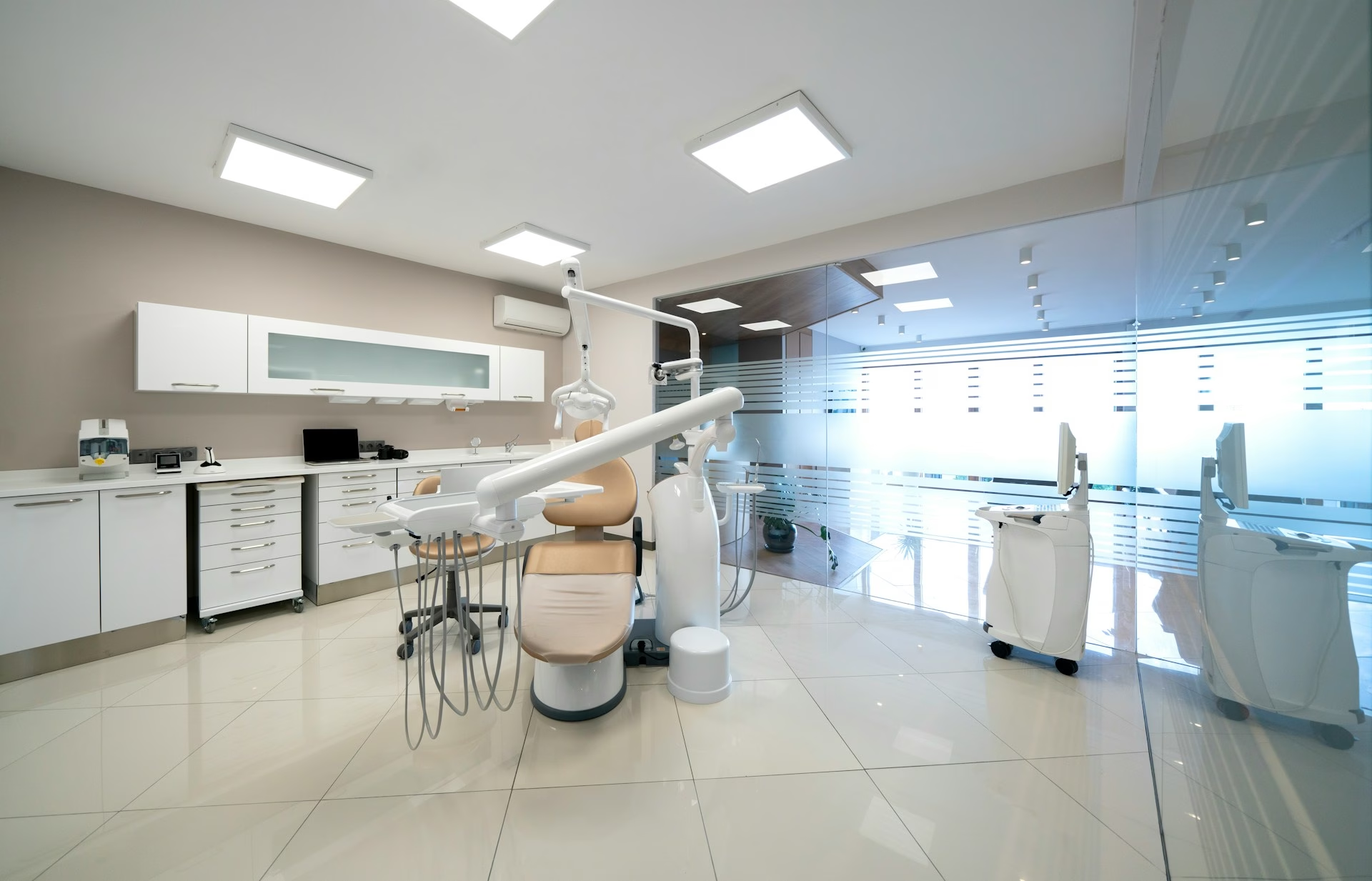
Lease Assignments Explained for Dental Practice Buyers
For many dental practice buyers, the office lease is one of the most important parts of the transaction. A lease…

Can You Renegotiate Terms After Signing a Practice Agreement?
Yes — dental practice agreements can be renegotiated after signing. Whether a change will hold depends on what your agreement…
What Happens If Your Dental Practice Is Operating Without a PC?
California law requires dentists to practice through a properly structured Professional Corporation, and operating outside that requirement carries real consequences.…
What Happens to Staff Contracts When a Dental Practice Is Sold?
When a dental practice is sold, staff contracts do not automatically transfer in the same way as equipment or patient…
Should You Review the Lease Before Buying a Dental Practice?
Yes, you should review the lease before buying a dental practice. The lease determines whether you can continue operating in…
Mistakes Dentists Make When Forming a Professional Corporation in California
Dentists forming a professional corporation (PC) in California often focus on getting the entity established quickly but overlook structural and…
Can a Seller Stay On After Selling a Dental Practice in California?
Yes, a seller can remain on after selling a dental practice in California, but the arrangement must be carefully structured.…