
For many dental practice buyers, the office lease is one of the most important parts of the transaction. A lease assignment transfers the seller’s rights and obligations under an existing lease to the buyer and, in most cases, requires the landlord’s approval before the transfer is complete. Without a properly executed assignment, a buyer may close on the practice without secured occupancy rights for the location on which the practice depends. Understanding how assignments work, what landlords can require, and how lease terms affect long-term operations is an essential part of due diligence before any dental practice purchase.
What Is a Lease Assignment in a Dental Practice Purchase?
In most dental practice acquisitions, the buyer does not automatically take over the seller’s lease. Instead, the existing lease is typically assigned by the seller to the buyer, subject to the landlord’s approval and the lease’s terms.
A lease assignment transfers the tenant’s rights and obligations under the lease to the incoming practice owner. Once the assignment is completed, the buyer becomes responsible for complying with the lease terms, including rent obligations, maintenance requirements, and operating restrictions.
In some cases, the landlord may require the buyer to sign a new lease rather than assign the existing one. Whether the transaction involves an assignment or a new lease depends on the lease language, the landlord’s position, and the deal’s structure.
Why Dental Office Leases Require Careful Review
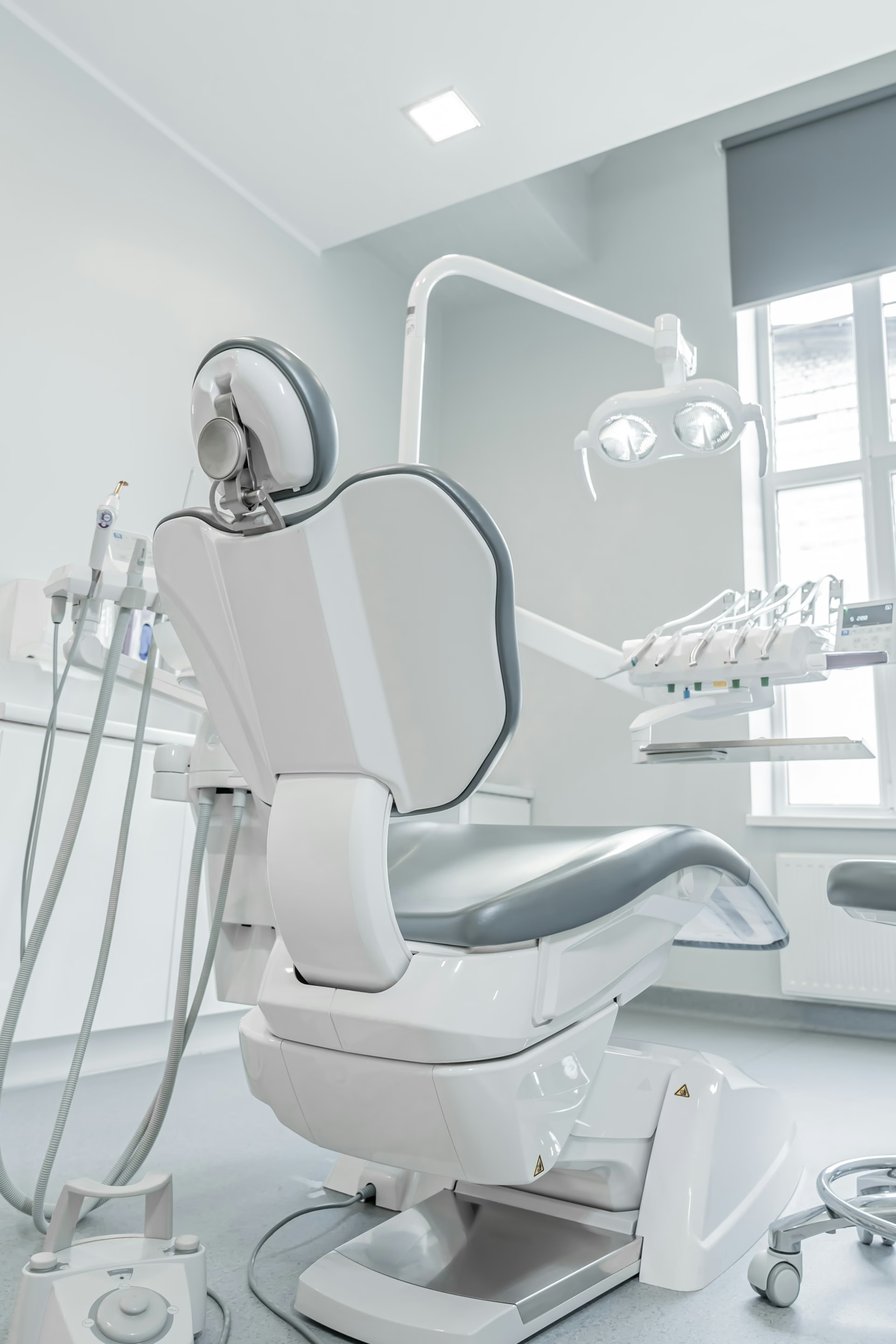
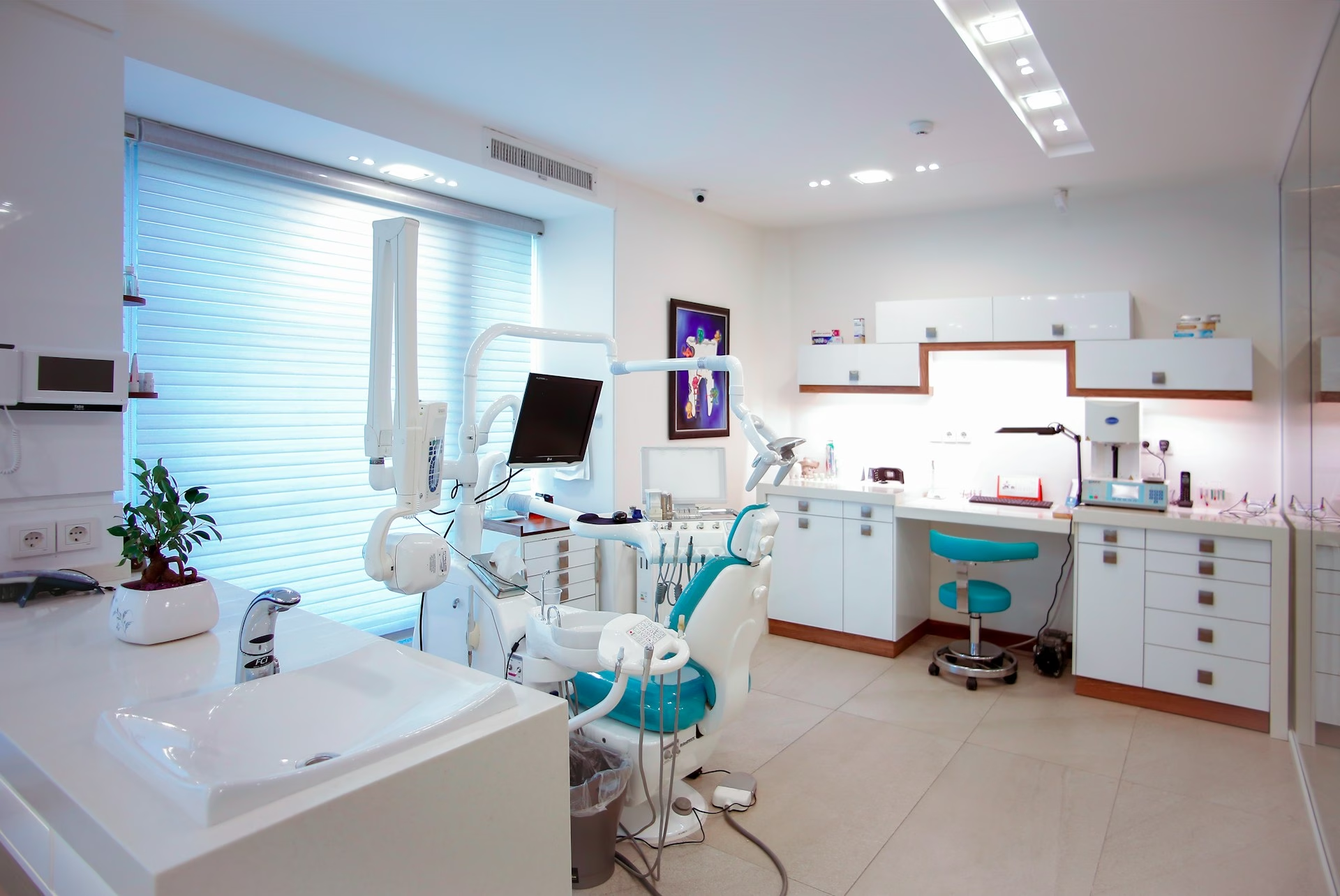
Dental office leases are often more complex than standard commercial leases because dental practices involve specialized infrastructure and long-term patient relationships. Plumbing, electrical systems, imaging equipment, and treatment room layouts are heavily tied to the physical location.
As a result, relocating the practice after purchase may not be practical or financially realistic. Buyers should evaluate whether the lease supports long-term stability before moving forward with the transaction.
Important lease issues may include:
- Remaining lease term and renewal options
- Rent escalation clauses
- Assignment and landlord consent provisions
- Use restrictions affecting dental services
- Responsibility for repairs, maintenance, or common area expenses
In Los Angeles, where commercial lease rates and tenant demand can vary significantly by location, these terms can substantially impact profitability over time.
Does the Landlord Have to Approve the Assignment?
In many cases, yes. Most dental office leases require landlord consent before the lease can be assigned to a new practice owner. The lease agreement usually outlines the conditions under which consent may be granted or withheld.
Some leases require the landlord to act reasonably when reviewing a proposed assignment, while others provide broader discretion. Landlords may request financial information, professional credentials, or operational details about the incoming buyer before approving the transfer.
Landlord review often focuses on whether the buyer appears financially capable of operating the practice and complying with the lease obligations.
Buyers should also review whether the lease includes:
- Personal guarantee requirements
- Assignment fees or administrative costs
- Conditions tied to future ownership changes
- Restrictions on subleasing or expansion
Understanding these provisions early can help prevent delays during closing.
What Happens if the Lease Term Is Short?
A short remaining lease term can create uncertainty for buyers, especially when the practice depends heavily on its current location. If only a few years remain on the lease without reliable renewal options, the long-term value of the practice may be affected.
In some situations, buyers negotiate lease extensions or revised renewal provisions as part of the transaction. This can help stabilize the practice and provide greater certainty regarding future occupancy.
Buyers should also pay attention to renewal deadlines. Missing notice requirements or option windows can affect the ability to extend the lease later.
For dental practices, long-term location stability often holds significant value because patient relationships and referral patterns are frequently tied to the office location.
Can Lease Terms Be Renegotiated During the Sale?
Sometimes. A practice sale may create an opportunity to revisit lease terms with the landlord, particularly if the buyer brings strong financial credentials or plans to invest in the property.
Potential areas for negotiation may include:
- Extended lease terms
- Updated renewal options
- Tenant improvement allowances
- Modified rent structure
- Removal or limitation of personal guarantees
However, renegotiation depends heavily on market conditions and the landlord’s willingness to modify the agreement.
In competitive Los Angeles commercial markets, some landlords may prefer stability and long-term tenancy, while others may use the assignment process to renegotiate economic terms.
Why Lease Issues Can Affect Financing and Practice Value
Lenders often review the office lease closely when evaluating financing for a dental practice acquisition. A stable lease with a sufficient remaining term may strengthen the financing application, while uncertain lease rights can raise concerns about the practice’s long-term viability.
Lease issues may also affect valuation. A practice with favorable lease terms and strong renewal rights may carry more stability than one facing near-term relocation risk or rising occupancy costs.
Because the lease affects operations, financing, and long-term planning, buyers should treat lease review as a core part of due diligence rather than a secondary issue.
Review Lease Terms Before Finalizing a Dental Practice Purchase
A dental office lease affects far more than monthly rent. Assignment rights, renewal provisions, landlord approval requirements, and long-term occupancy stability can all influence the practice’s success after closing. Reviewing these terms carefully before finalizing a purchase can help buyers avoid unexpected complications later.
If you are purchasing a dental practice in Los Angeles, trust Polished Legal to review your lease assignment and ensure a smooth transaction. Contact us today for a consultation.