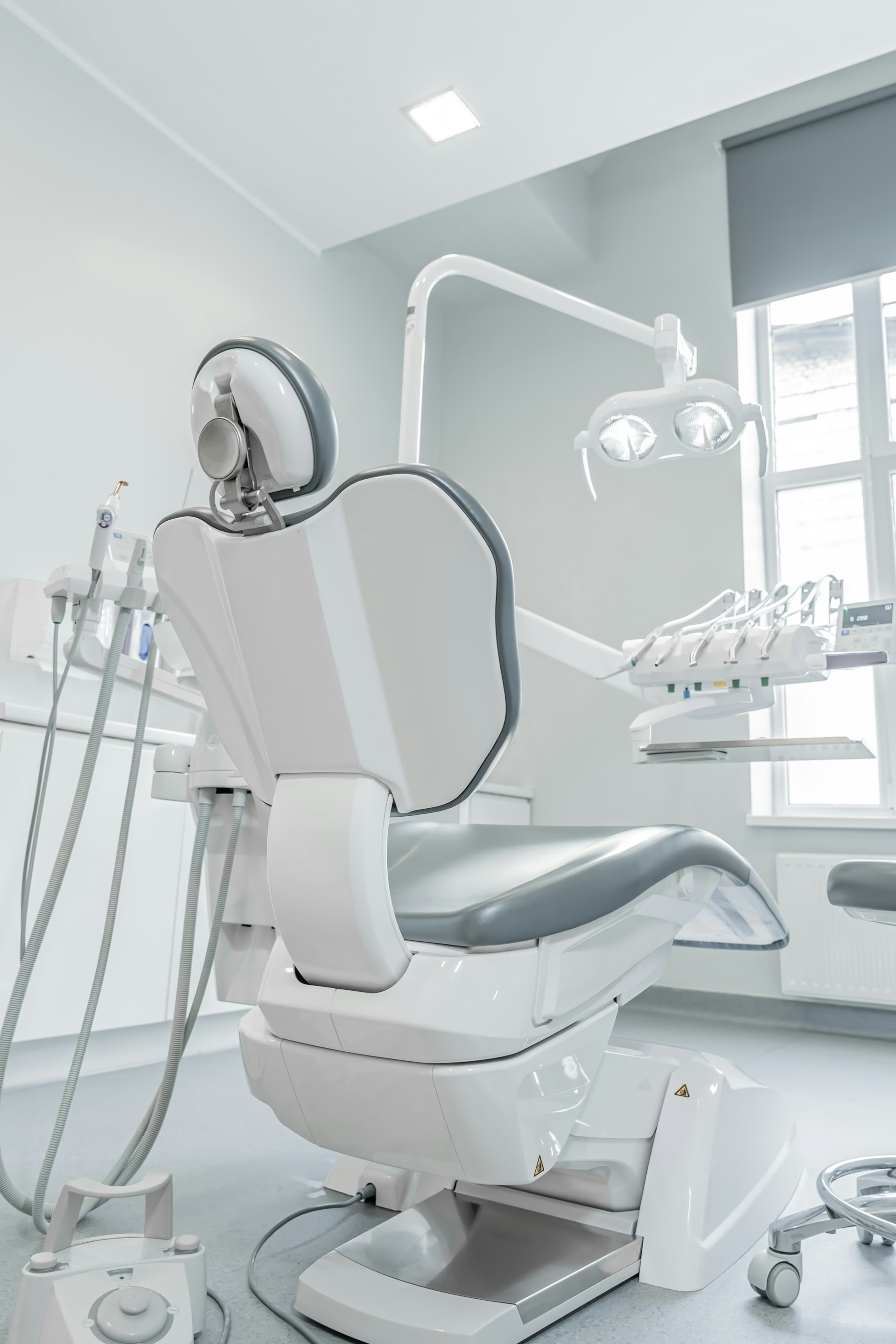

Some commercial lease provisions can affect a dental practice long after the lease is signed. Short lease terms, restrictive use clauses, broad personal guarantees, and unfavorable renewal provisions may limit growth or complicate future business decisions. Identifying these issues before signing gives dentists an opportunity to negotiate terms that better support long-term practice ownership in Los Angeles.
Why Dental Office Leases Deserve Special Attention
A dental office lease is different from many other commercial leases because the practice itself is closely tied to the physical space. Dental offices often require significant investments in plumbing, electrical systems, cabinetry, imaging equipment, and treatment rooms. Moving to another location can be costly and disruptive for both the practice and its patients.
Location also plays an important role in patient retention. Patients become familiar with the office location, and referring providers often associate the practice with a specific location. Because relocating a dental office is rarely simple, lease terms deserve careful attention before the agreement is signed.
Short Lease Terms Can Limit Long-Term Stability
The length of the lease affects more than how long the practice can remain in the space. It also influences planning, financing, and future business decisions.
A lease with only a few years remaining may create uncertainty if renewal options are limited or unclear. Dentists investing substantial resources into a new office often want lease terms that support long-term occupancy rather than requiring major negotiations in the near future.
Renewal options should also be reviewed carefully. A lease that includes multiple renewal periods may provide greater flexibility than one requiring the practice to relocate after the initial term expires.
Rent Escalation Clauses May Cost More Than Expected
Most commercial leases include rent increases over time, but the method used to calculate those increases can significantly affect occupancy costs.
Some leases provide for fixed annual increases, while others tie rent adjustments to the Consumer Price Index or other economic measures. In addition to base rent, dentists should review provisions governing common area maintenance charges, operating expenses, and property taxes.
Understanding how these costs may change over the life of the lease allows practice owners to better project future overhead and evaluate whether the lease remains financially sustainable as the business grows.
Assignment Restrictions Can Affect Your Future Plans
Many dentists focus on operating the practice today without considering how the lease may affect future opportunities.
If the practice is sold, a new partner is added, or ownership changes for another reason, the lease may need to be assigned or amended. Some leases require landlord approval before these changes can occur, while others impose additional conditions or restrictions.
Before signing a lease, dentists should understand:
- Whether assignment requires landlord consent
- What conditions apply to ownership changes
- Whether personal guarantees continue after an assignment
- How future transfers are addressed in the lease
Thinking about these issues early can make future transitions considerably smoother.
Use Clauses Should Leave Room for Growth
A use clause defines how the leased space may be used. While many dentists assume this provision simply allows them to operate a dental practice, some clauses may unintentionally limit future growth.
For example, a practice that later adds specialty services, expanded cosmetic procedures, or new treatment technologies may want to confirm those services fall within the permitted use described in the lease.
Dentists should also consider whether the agreement provides flexibility to bring in specialists or expand the scope of services as the practice evolves. A lease that accommodates growth may help avoid unnecessary amendments later.
Beware of Personal Guarantees and Relocation Clauses
Personal guarantees are common in commercial leasing, particularly for newer practices. However, dentists should understand when those guarantees end and whether they continue after ownership changes or lease assignments.
Another provision that deserves careful attention is the relocation clause. Some commercial leases allow the landlord to relocate tenants to another suite within the building or shopping center under certain circumstances.
For many businesses, relocating within the same property may be an inconvenience. For a dental practice, however, relocation can involve moving specialized equipment, modifying treatment rooms, updating signage, and communicating changes to patients.
Reviewing these provisions before signing allows dentists to better understand the practical impact they may have on the practice over time.
Evaluate Lease Terms Before They Affect Your Practice
A dental office lease influences far more than monthly rent. It can affect future growth, financing, ownership transitions, and the long-term stability of the practice. Reviewing lease provisions before signing helps identify potential concerns while there is still an opportunity to negotiate. If you are signing or renewing a dental office lease in Los Angeles, trust Polished Legal to review the agreement and help protect your practice’s long-term interests. Contact us today to get started.
Frequently Asked Questions
Are dental office leases negotiable?
Yes. Depending on the circumstances, landlords may negotiate provisions involving rent, renewal options, tenant improvements, assignment rights, and other lease terms.
What is a relocation clause?
A relocation clause allows a landlord to move a tenant to another space under certain conditions. Dentists should understand how this provision could affect practice operations before signing.
Can lease terms affect financing?
Yes. Lenders often review lease terms when evaluating financing because occupancy rights can influence the long-term stability of the practice.
Should a lawyer review my dental office lease before I sign it?
A legal review can help identify provisions that affect your rights, obligations, and future flexibility before you commit to a long-term lease.