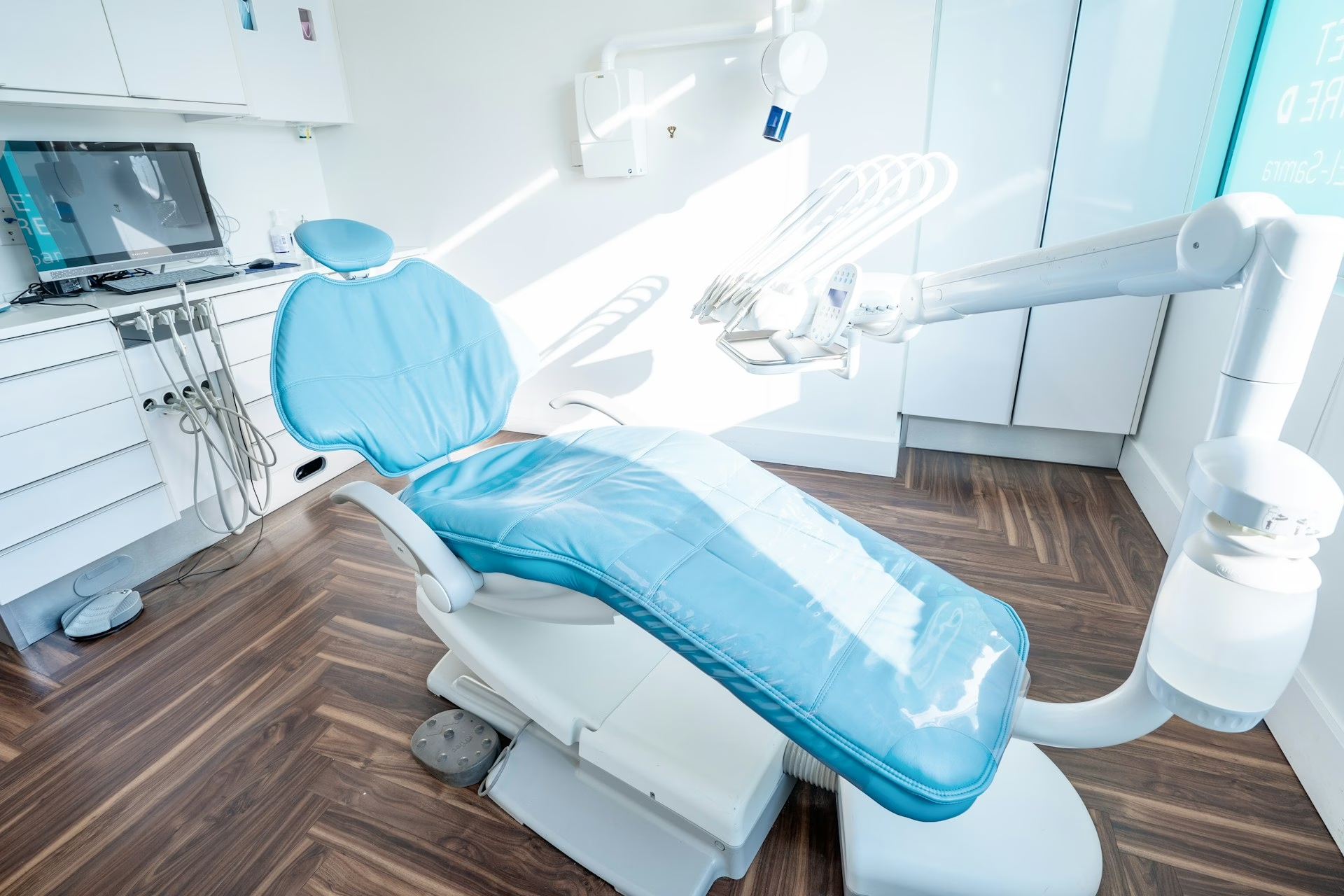

There is no one-size-fits-all answer. Buying an existing dental practice often provides immediate cash flow and an established patient base, while starting your own offers more control and customization but typically involves higher upfront risk and a longer path to profitability. The right choice depends on your finances, timeline, and long-term ownership goals.
Buying an Existing Dental Practice: Key Advantages
Buying an established practice offers immediate infrastructure and cash flow, which appeals to many first-time owners.
Common benefits include:
- An existing patient base and referral stream
- Established staff and office systems
- Proven revenue history that lenders can evaluate
- Faster path to owner income
From a legal perspective, acquisitions allow buyers to structure the deal as an asset purchase, which can limit assumed liabilities and provide flexibility in contract selection.
Risks and Challenges of Buying a Practice
While acquisitions offer speed, they also come with inherited complexity.
Key challenges include:
- Unknown liabilities tied to prior operations
- Overvalued goodwill or outdated financials
- Lease terms that restrict growth or relocation
- Cultural or staffing issues that affect retention
A common mistake is assuming that “established” means “low risk.” Without careful due diligence, buyers may discover problems only after closing.
Starting Your Own Practice: Key Advantages
Starting a practice from scratch gives you full control over the brand, location, and operational model from day one.
Advantages often include:
- Complete autonomy over systems, staffing, and culture
- New equipment and modern technology
- Flexible lease negotiations tailored to your needs
- No legacy issues or inherited liabilities
For dentists with a clear vision and a willingness to ramp up, startups can be a strong long-term play.
Challenges of Starting a Practice
The main drawback of a startup is timing. Building a patient base takes time, and early cash flow may be limited.
Potential challenges include:
- Delayed profitability during the ramp-up period
- Higher upfront planning and build-out demands
- Increased marketing efforts to attract patients
- Greater reliance on personal guarantees
From a legal standpoint, startups require careful attention to entity formation, lease negotiations, vendor contracts, and compliance from the outset.
Comparing Costs, Financing, and Risk
Cost structure is one of the most significant differences between buying and starting.
Buying a practice often involves:
- A larger upfront purchase price
- Financing based on historical cash flow
- Immediate revenue offsetting debt service
Starting a practice often involves:
- Lower acquisition cost but higher initial expenses
- Financing based on projections rather than history
- A longer path to stable income
Lenders may favor acquisitions due to predictability, but well-structured startups with solid planning can also secure financing.
Legal Considerations That Apply to Both Paths
Regardless of the path you choose, certain legal issues require early attention.
These include:
- Entity structure and ownership compliance
- Lease terms and landlord approval
- Employment agreements and staff policies
- Vendor, software, and service contracts
- Transition or launch planning
Skipping legal review until late in the process can limit your options and increase risk.
How to Decide Which Option Is Right for You
The right decision depends on your personal priorities.
Buying may be a better fit if you:
- Want immediate cash flow
- Prefer an established patient base
- Are comfortable managing inherited systems
Starting may be a better fit if you:
- Value autonomy and customization
- Are willing to wait for growth
- Want to build a practice from the ground up
Neither option is inherently better, but each requires a different strategy and risk assessment.
Planning Ownership the Right Way
At Polished Legal, we help dentists evaluate both acquisition and startup paths with a clear focus on structure, compliance, and long-term viability. Whether you are reviewing a purchase agreement or laying the foundation for a new practice, early planning helps protect your investment and your license. Connect with us today for the informed guidance we provide.